

CEILIDHS: HISTORY & FOLKLORE
4 March 2025
If you’ve ever found yourself spinning on a dance floor, laughing as you try to keep up with the steps of a Scottish reel or a Dashing White Sergeant, you’ve experienced the magic of a ceilidh (pronounced kay-lee).
Ceilidhs are a celebration of community and tradition, and they’re deeply rooted in the cultural fabric of Scotland and Ireland.
HISTORY OF CEILIDHS
The word ceilidh comes from the Gaelic term meaning ‘visit’ or ‘gathering’. A ceilidh was an evening of entertainment, where people would come together to share music, stories, and poetry. While today’s ceilidhs are associated with dancing, the original gatherings were often more varied, blending music, storytelling, and socialising into a single, joyous party.
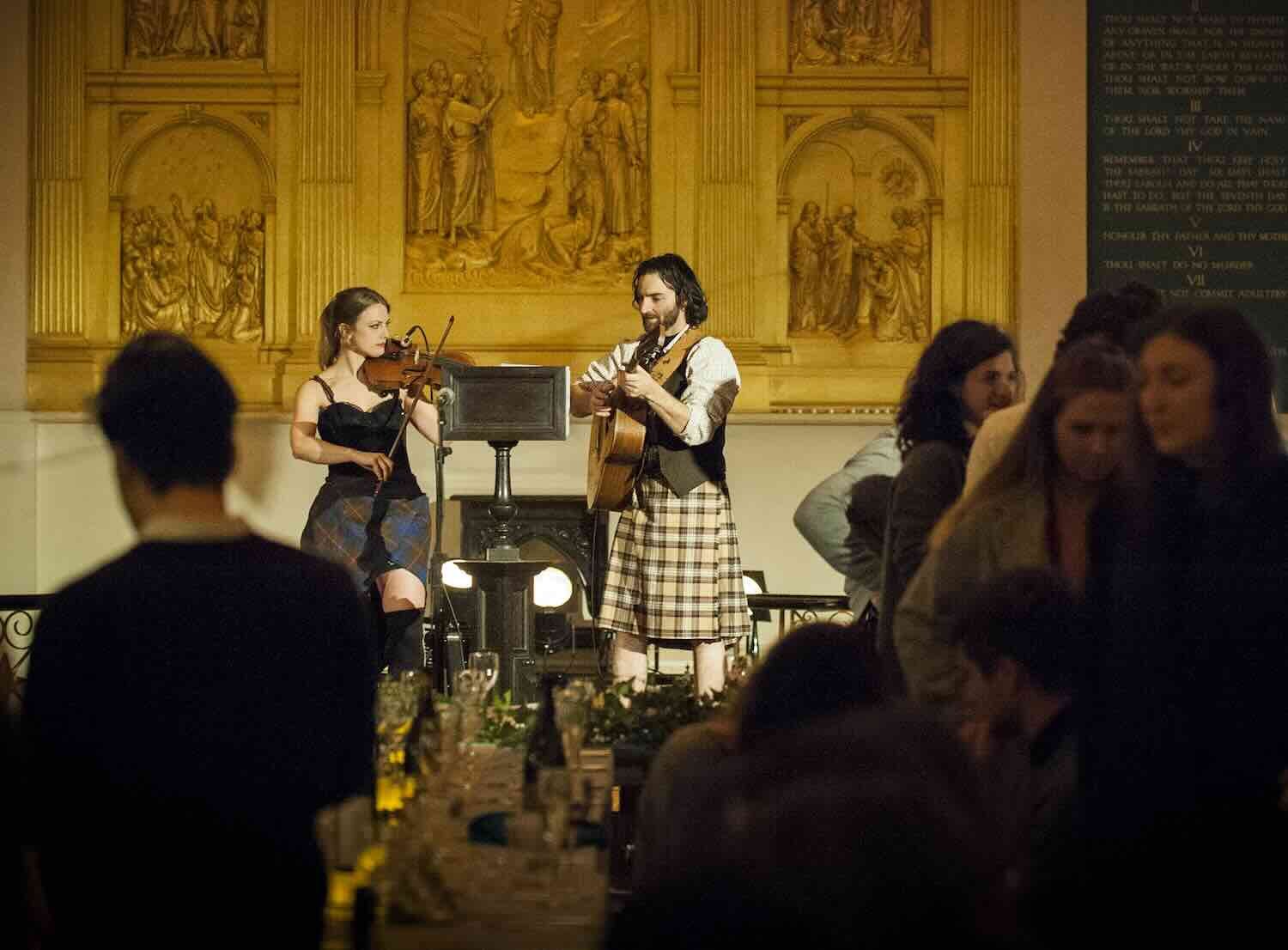
Ceilidhs began in the rural communities of Scotland and Ireland, where they served as a vital way to bring people together, especially during the long winter months. In the days before television or the internet, they were a cornerstone of social life. Often held in homes, barns, or village halls, with neighbours gathering to share news, songs, and tales.
In Scotland, ceilidhs were particularly important for Gaelic culture the Highlands and Islands. These gatherings were a way to preserve and pass down traditions, from ancient ballads to folk dances. Similarly, in Ireland, they played a key role in maintaining cultural identity, especially during times of political and social upheaval.
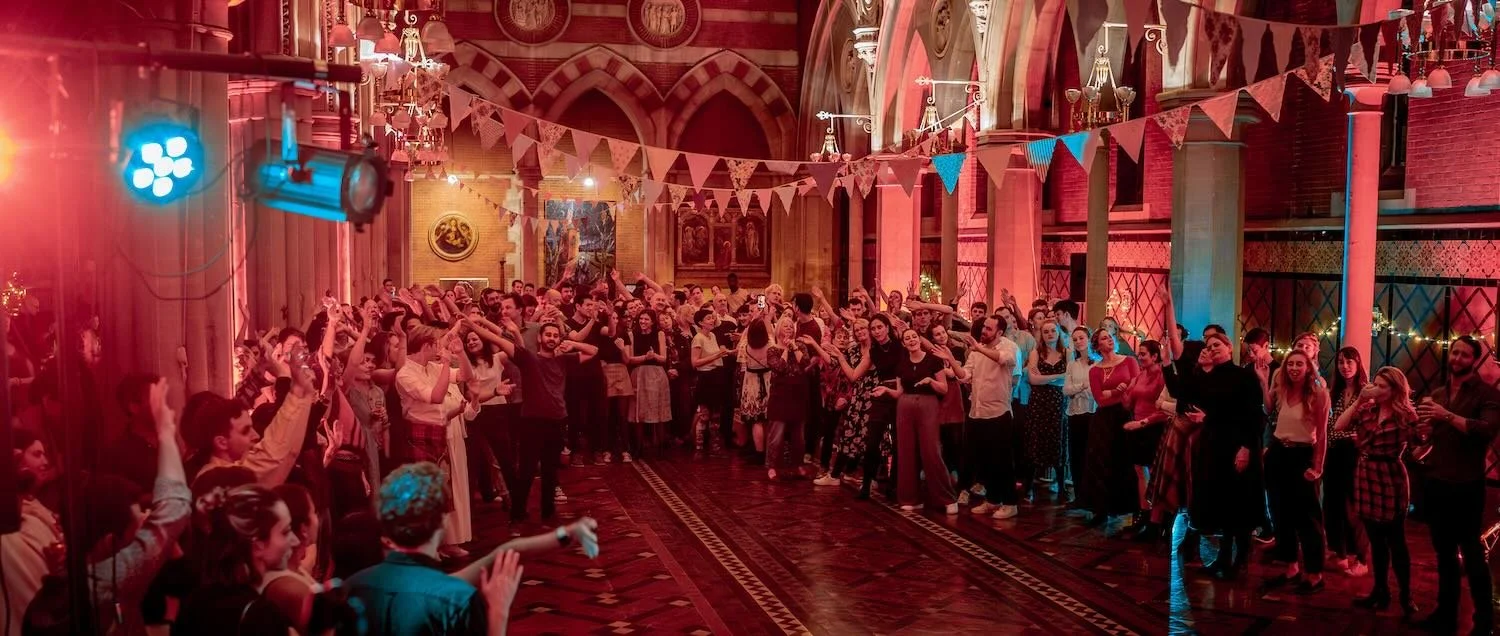
One of the most famous historical ceilidh gatherings took place during the Jacobite risings in the 18th century. After the Battle of Culloden in 1746, the British government imposed harsh restrictions on Highland culture, including the wearing of tartan and the playing of bagpipes. Despite these bans, clandestine ceilidhs were held in remote areas, keeping Scottish traditions alive. These secret gatherings became symbols of resistance and cultural pride.
Another example is the Skye Ceilidh on the Isle of Skye. In the 19th century, the island was known for its vibrant ceilidh culture, with gatherings often lasting well into the night. These events were not only social occasions but also opportunities for musicians and storytellers to showcase their talents. The famous Scottish poet Sorley MacLean often wrote about the ceilidhs of his youth on Skye, highlighting their warmth and spirit.
No discussion of ceilidhs would be complete without mentioning Robert Burns, Scotland’s beloved national poet. Burns was a prolific writer and a passionate participant in the ceilidh tradition. Many of his poems and songs, such as Auld Lang Syne and Tam o’ Shanter, were inspired by the camaraderie of ceilidhs. Burns attended many where he would recite his works and join in the dancing. In modern times Burns Night is celebrated annually on or near his birthday (25th January), and features ceilidh dancing as a way to celebrate his legacy and the traditions he cherished.
-
Should auld acquaintance be forgot,
And never brought to mind?
Should auld acquaintance be forgot,
And auld lang syne?
(Chorus)
For auld lang syne, my jo,
For auld lang syne,
We’ll tak a cup o’ kindness yet,
For auld lang syne.
And surely ye’ll be your pint-stowp!
And surely I’ll be mine!
And we’ll tak a cup o’ kindness yet,
For auld lang syne.
We twa hae run about the braes
And pu’d the gowans fine;
But we’ve wander’d mony a weary foot
Sin auld lang syne.
We twa hae paidl’d i’ the burn,
Frae mornin’ sun till dine;
But seas between us braid hae roar’d
Sin auld lang syne.
And there’s a hand, my trusty fiere!
And gie’s a hand o’ thine!
And we’ll tak a right guid willy waught,
For auld lang syne.
FOLKLORE OF CEILIDHS
Ceilidhs have had many traditions and superstitions surrounding them over the years. In Scottish folklore, it was believed that music and dance had the power to ward off evil spirits. The lively tunes played on fiddles, accordions, and pipes were thought to create a protective barrier, keeping misfortune at bay. Ceilidhs were seen as a way to strengthen the bonds of the community, ensuring that no one felt isolated or vulnerable.
Tales of fairies, selkies, and other mythical creatures were a way to teach moral lessons, explain natural phenomena, and keep ancient legends alive. Sometimes it was even said that the spirits of ancestors would join the ceilidh, ensuring that the past was never forgotten.

Ceilidhs have also made their mark in popular culture, appearing in literature, film, and television. One of the most famous literary references comes from Robert Louis Stevenson’s Kidnapped, where the protagonist attends a lively ceilidh in the Scottish Highlands.
In film, ceilidhs have been featured in movies like Local Hero (1983), where a ceilidh scene, set to the iconic tune of The Gay Gordons, becomes a pivotal moment of cultural connection between the Scottish villagers and an American oil executive.
On television, ceilidhs have appeared in popular shows like Outlander, which often depicts 18th-century Scottish life. The series features several ceilidh scenes, complete with traditional music and dancing, offering viewers a glimpse into the historical significance of these gatherings.

WHY CEILIDHS STILL MATTER
While traditional ceilidhs in the past included a mix of activities, today we mainly focus on the dancing. They’re known for their energetic vibe, with everyone from beginners to experienced dancers joining in. The dances are usually led by a caller, who guides participants through the steps and makes them accessible even for those brand new to it.
You may have heard of some of the most popular ceilidh dances: Dashing White Sergeant, the Gay Gordons, and Strip the Willow. Each dance has its own unique steps and formations, but they all share a sense of fun and togetherness. The beauty of ceilidh dancing lies in its inclusivity - it’s about everyone enjoying the moment.
In our fast-paced, digital world, ceilidhs offer a rare opportunity to connect with others in a meaningful way in person. They remind us of the importance of tradition, and shared communal joy. They’re a glimpse into a treasured, old way of connecting with each other. Whether you’re a seasoned dancer or a complete beginner, a ceilidh is a chance to let loose, make new friends, and experience the warmth of a centuries-old tradition.
We’re proud to keep the spirit of ceilidhs alive through our events. Join us at our next gathering and experience the magic for yourself - whether you’re dancing, clapping along, or simply soaking up the atmosphere, you’ll be part of a tradition that has brought people together for generations.
THE NEST COLLECTIVE MONTHLY NEWSLETTER
For news about upcoming events, early access to tickets, exclusive content… and all things Nest!
To sign up all we need is your email address.